Healing Herbs: Medicinal Plants to Grow Right In Your Backyard
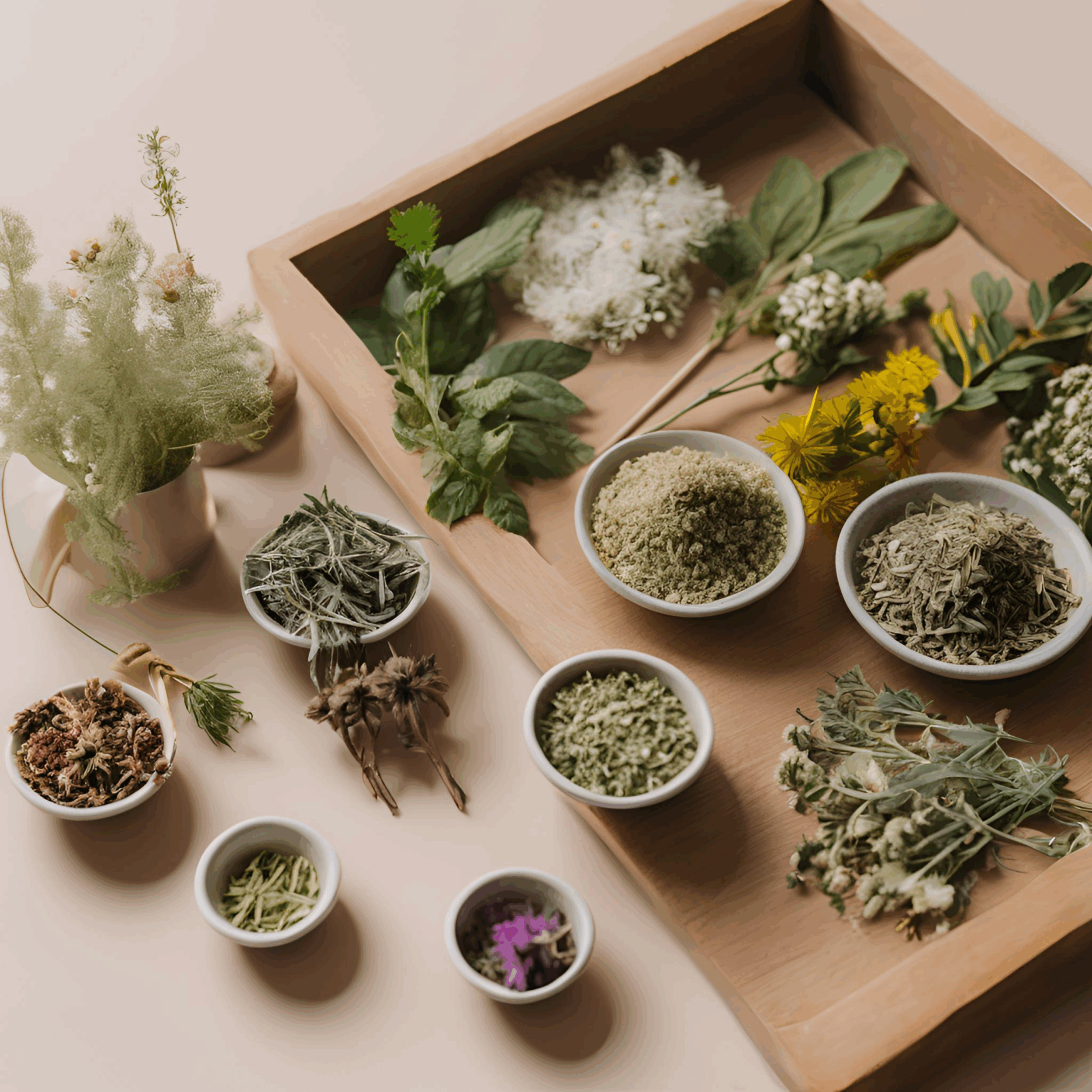
Planting a backyard herb garden is not only rewarding but also a great way to have fresh, natural remedies at your fingertips. Many herbs offer incredible health benefits, whether used in cooking, brewed into teas, or applied topically. In this post, we’ll explore some of the best herbs to grow for inflammation, bloating, high blood pressure, and skin health.
Herbs for Inflammation Relief
Chronic inflammation is linked to various health issues, from joint pain to digestive problems. These herbs have powerful anti-inflammatory properties:
1. Turmeric (Curcuma longa)
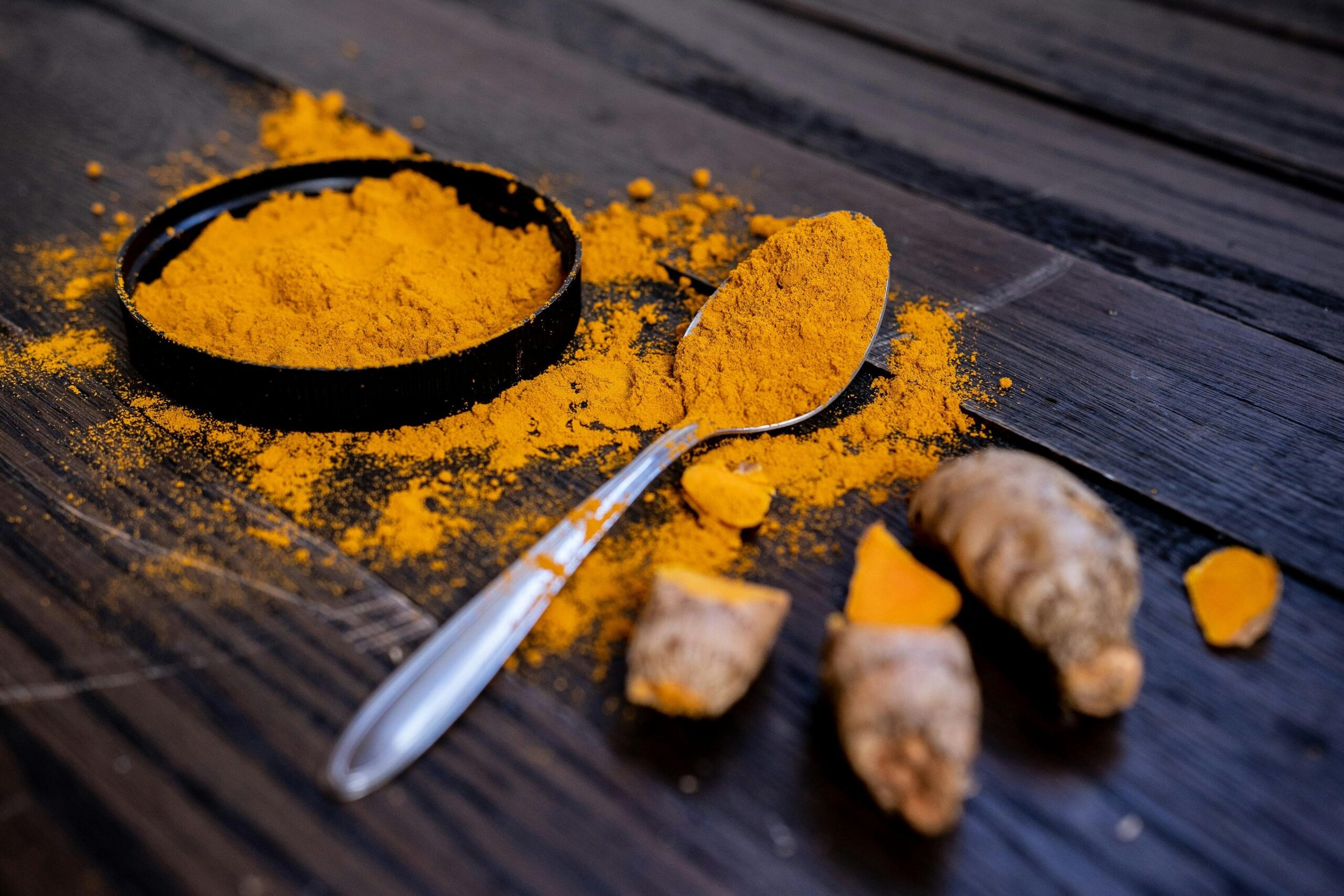
Photo by Karl Solano: https://www.pexels.com/photo/close-up-shot-of-turmeric-powder-6220710/
There is good reason to have turmeric in your spice cabinet! it has been used for thousands of years in traditional Ayurvedic medicine to treat many conditions such as skin inflammation, respiratory problems, joint pain, and digestive disorders. while research is still determining the extent of its health benefits, adding turmeric to your diet is an easy way to incorporate curcumin into the foods you enjoy.
Known for its active compound curcumin, which has been widely studied for its anti-inflammatory properties. Research suggests that curcumin may help regulate inflammatory responses and has shown potential benefits in conditions associated with inflammation, including inflammatory bowel disease (IBD), arthritis, psoriasis, depression, and atherosclerosis. While some studies have reported improvements in symptoms and inflammatory markers, the strength of the evidence varies by condition. More research is needed to determine effective doses, formulations, and how curcumin can best be used in clinical treatment.
How to Use: ground turmeric can be added into many dishes or made into tea with black pepper (which is said to enhance curcumin absorption).
2. Ginger (Zingiber officinale)
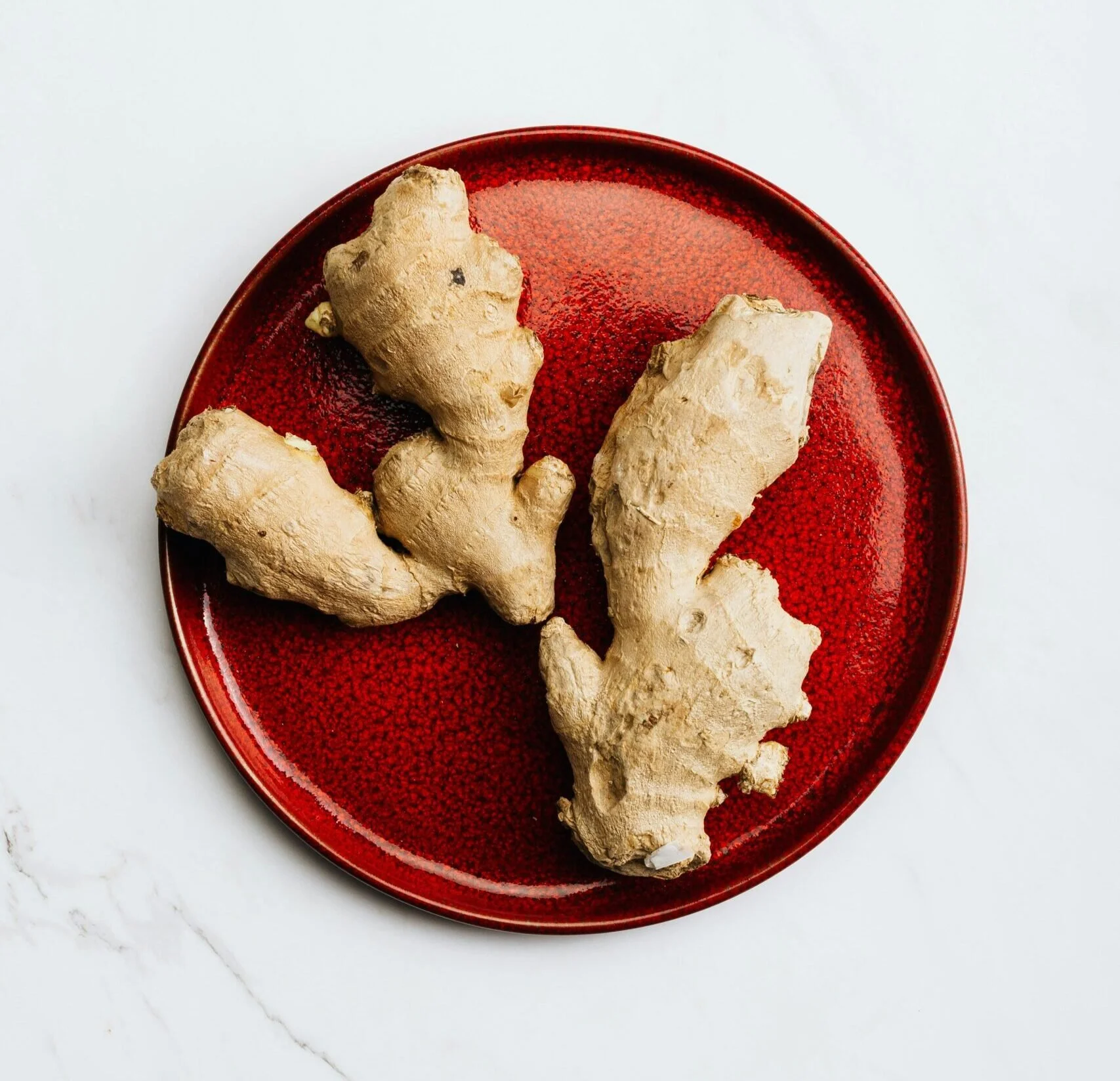
Ginger has been used in traditional medicine for centuries, particularly for digestive discomfort, nausea, and other ailments. Today, researchers continue to study ginger for its potential health benefits, including its effects on inflammation. Adding fresh or ground ginger to your diet is a simple way to incorporate its naturally occurring plant compounds into foods and drinks you already enjoy.
Ginger contains many bioactive compounds but the two that stand out are gingerols and shogoals. In research, these two compounds have demonstrated anti-inflammatory and antioxidant activity. Studies suggest that giner may influence inflammatory processes and could provide benefits for certain inflammation related symptoms, including menstrual pain and potentially some types of musculoskeletal pain. More high-quality research is needed to understand the extent of gingers anti-inflammatory effects and how they may translate into clinical treatment.
How to Use: Fresh or ground ginger is excellent in tea, soup, curry, stir-fry, marinade or any other meal.
Herbs for Bloating & Digestion
Bloating and digestive discomfort can possibly be alleviated with the right herbs. Here are some of the best:
3. Peppermint (Mentha × piperita)
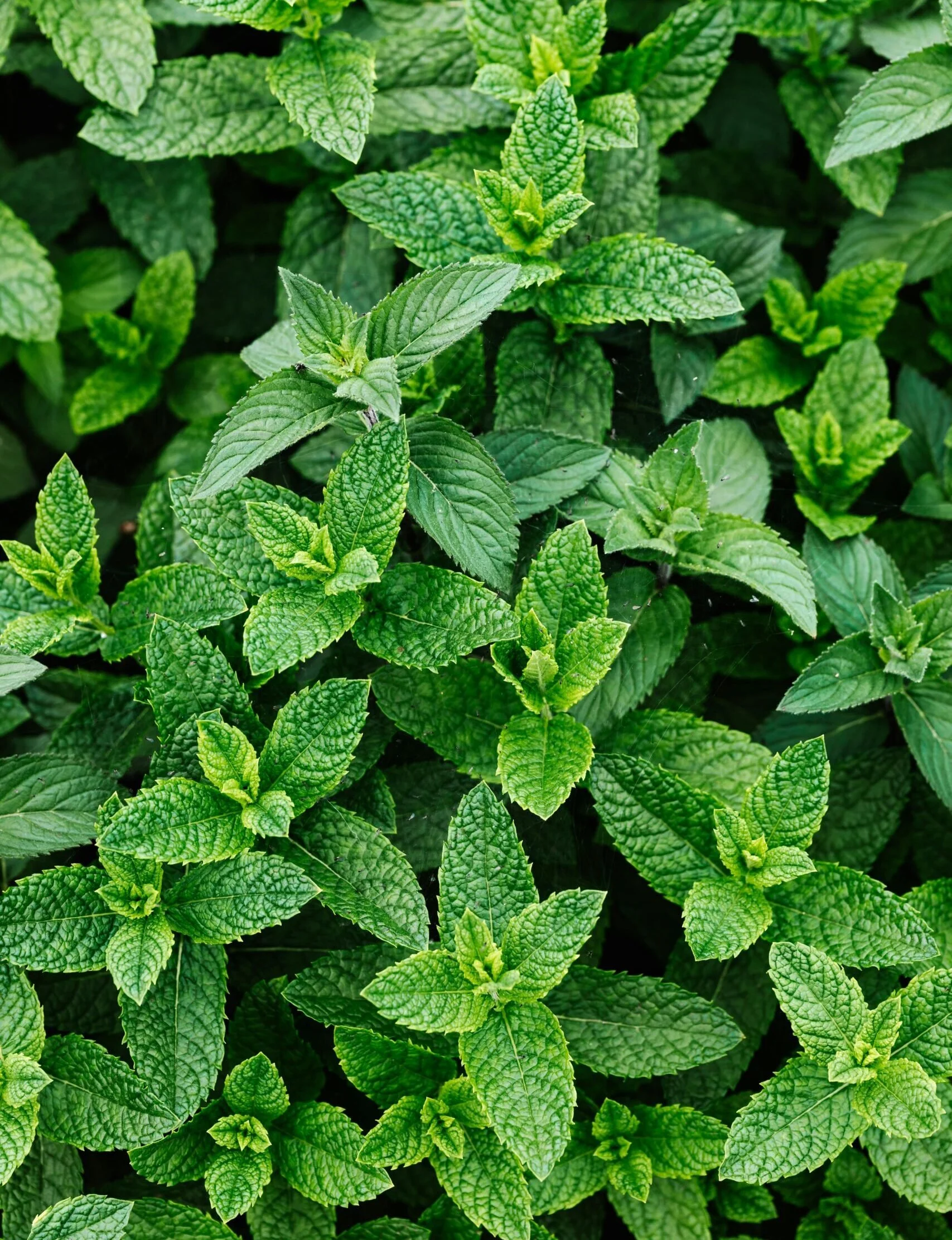
There are plenty of reasons to enjoy peppermint beyond its refreshing flavor! Peppermint has been used for centuries for digestive complaints, and today researchers are studying its potential to help with symptoms such as bloating, gas, abdominal discomfort, and cramping. While the strongest research. has focused on concentrated peppermint oil rather than the peppermint tea or leaves, enjoying peppermint as part of your diet can be a simple and refreshing way to incorporate this herb into your routine.
Peppermint contains menthol, one of the primary compounds responsible for its characteristic cooling sensation and many of its biological effects. Research suggests that peppermint oil can relax smooth muscles in the gastrointestinal tract, which may help reduce intestinal spasms and discomfort. Clinical research has found that enteric-coated peppermint oil capsules may provide modest, short-term relief from symptoms of irritable bowel syndrome (IBS), particularly abdominal pain, bloating, and gas. Research is still limited and we don’t yet know for sure whether these benefits extend to long-term use or to peppermint consumed tea or food.
How to Use: Fresh leaves can be steeped in hot water to make tea or can be added to water, smoothies, and other dishes.
4. Wild Celery Seeds (apium graveolens)
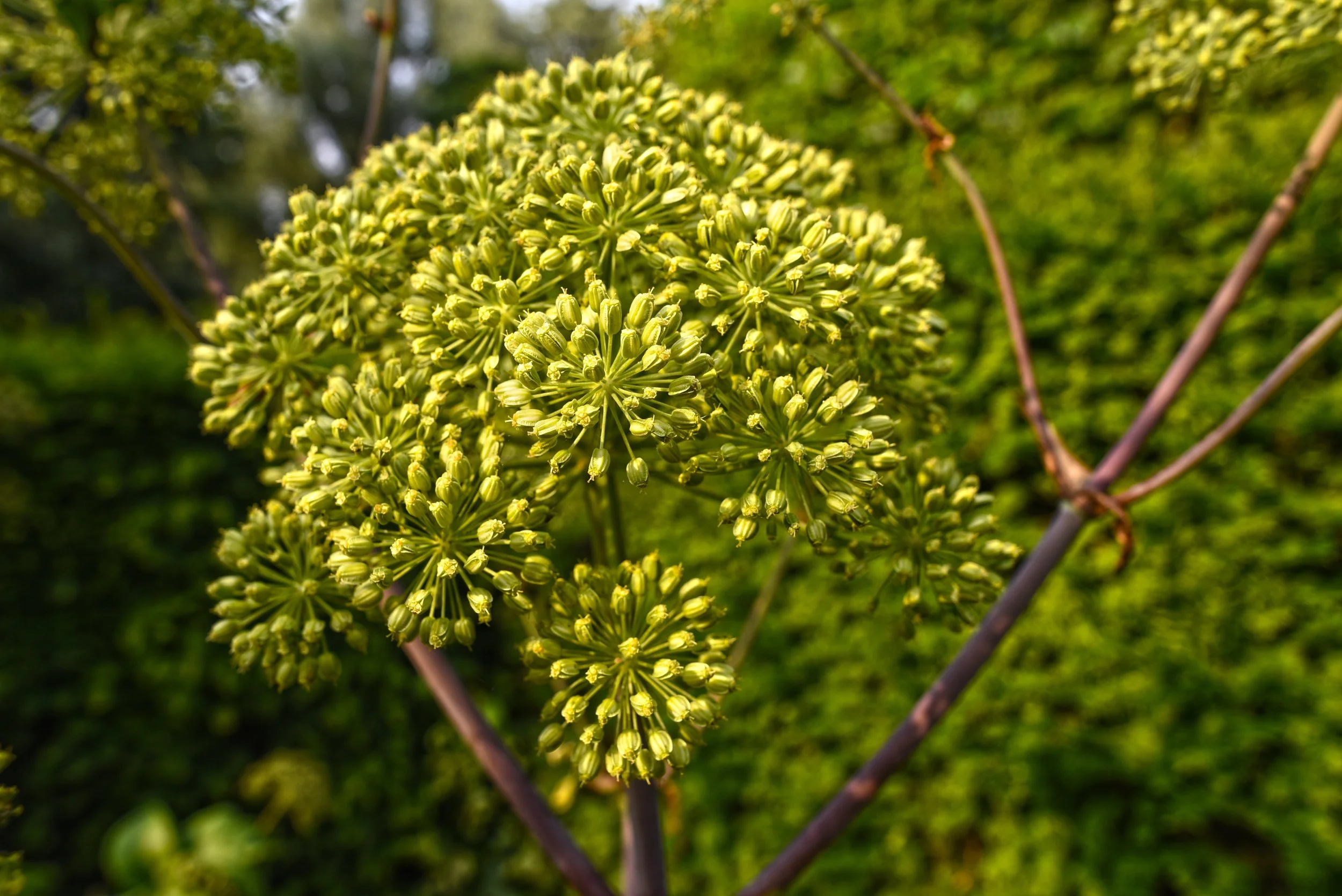
Image by 👀 Mabel Amber, who will one day from Pixabay
Celery seeds are something to explore beyond their warm, earthy flavor. Wild celery seeds have been used in Ayurvedic medicine for thousands of years. It is used for digestive discomfort, indigestion, bloating, and gas. While modern research is still determining the extent of these digestive benefits, many countries today still use this method for relieving stomach discomfort.
Celery seeds have traditionally been used as a carminative, meaning they are used to help relieve intestinal gas, bloating, and digestive discomfort. The seeds contain several bioactive and aromatic compounds, including limonene and phthalides, along with flavonoids and other plant compounds. Some research suggests celery may have antispasmodic and other biological activities that could help explain its traditional use for digestive discomfort.
How to Use: Celery seeds have a strong, slightly bitter flavor and can be added in small amounts to soups, stews, pickles, dressings, roasted vegetables, and other savory dishes. Traditionally it is steeped in hot water to have an herbal tea.
5. Chamomile (Matricaria chamomilla)

There are plenty of reasons to keep chamomile in your tea cabinet. This flower has been used medicinally for thousands of years and was very important in ancient Egypt, Greece, Rome, and China. Traditionally, it has been used for digestive discomfort, stomach cramps, inflammation, and as a calming herb for anxiety and sleep.
Chamomile contains several naturally occuring plant compounds, including the flavoid apigenin, as well as compounds such as abisabolol and chamazulene. Apigenin is one of chamomiles most studied components and has demonstrated anti-inflammatory and antispasmodic activity. The extracts have also demonstrated effects on gastrointestinal smooth muscle that may help explain its traditional use for stomach cramps and digestive discomfort. Today, chamomile is best known for its. calming reputation. Preliminary human studies suggest that chamomile extracts may help reduce symptoms in people with generalized anxiety disorder though evidence is still limited.
How to Use: The dried flowers of chamomile are commonly steeped in hot water to make tea. Chamomile can be enjoyed on its own or combined with other herbs and flavors.
Herbs for Lowering High Blood Pressure
Certain herbs help regulate blood pressure naturally. Here are a few that may help:
6. Sweet Basil (Ocimum basilicum)
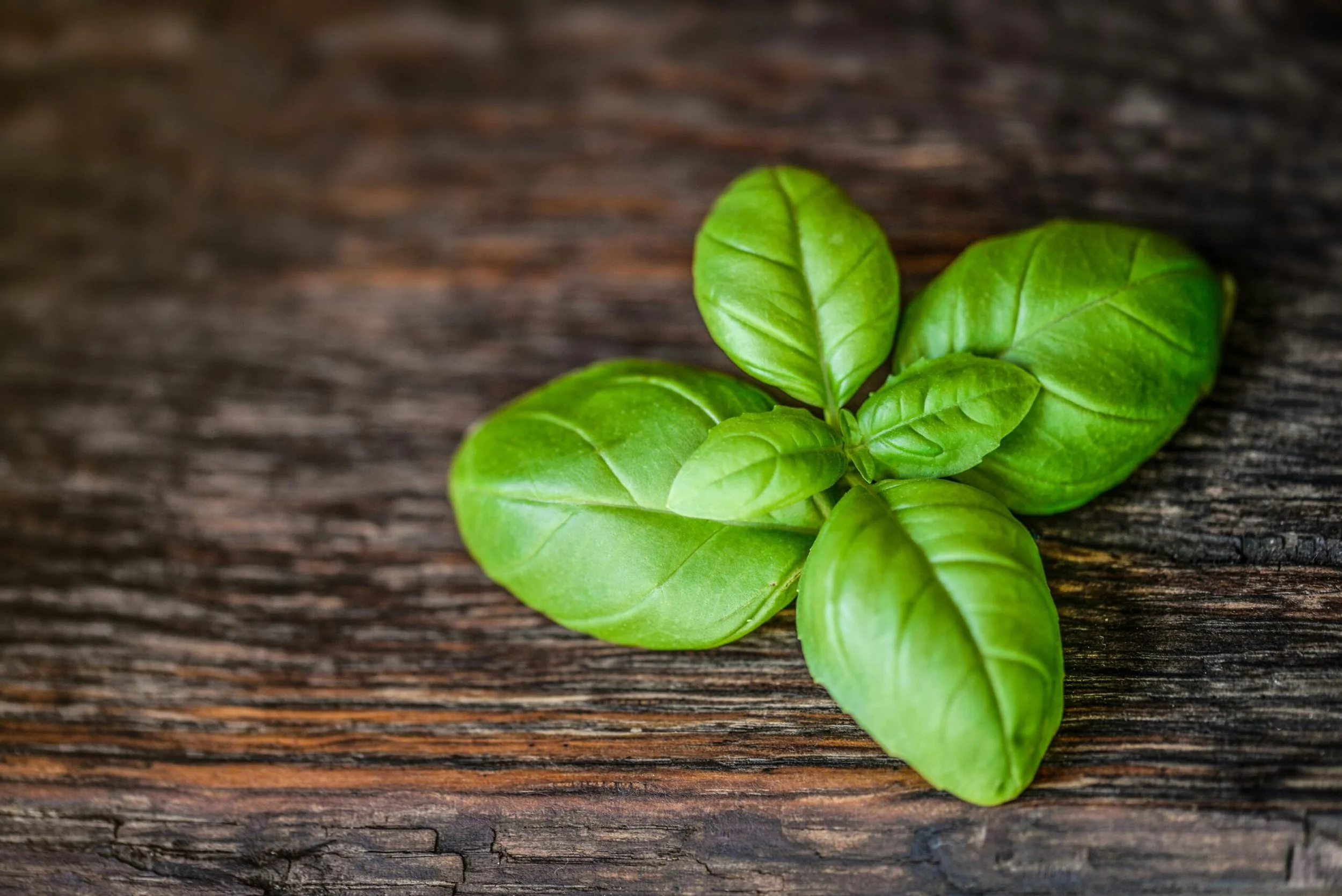
Photo by monicore: https://www.pexels.com/photo/green-leaves-1087905/[/caption]
Sweet Basil is a great herb for your garden or stocked in your kitchen. Sweet basil has been used in traditional medicine for a variety of health concerns like digestive and cardiovascular complaints. Today researchers are investigating whether some of the plant compounds found in basil may influence blood pressure and other aspects of cardiovascular health.
Basil contains a variety of naturtally occuring plant compounds, including rosmarinic acid, eugenol, linalool, flavoids, and other polyphenois. Laboratory and animal research suggests that compounds found in ocimum species may influence pathways involved in blood-pressure regulation, including angiotensin-converting enzyme (ACE) activity, calcium signaling, nitric oxide production, and blood-vessel relaxation. These mechanisms could potentially help blood vessels relax and support healthy blood pressure.
How to Use: Add fresh basil to salads, pasta, soups, sandwiches, sauces or homemade pesto. the leaves can also be steeped in hot water to make an herbal tea.
7. Hibiscus (Hibiscus sabdariffa)
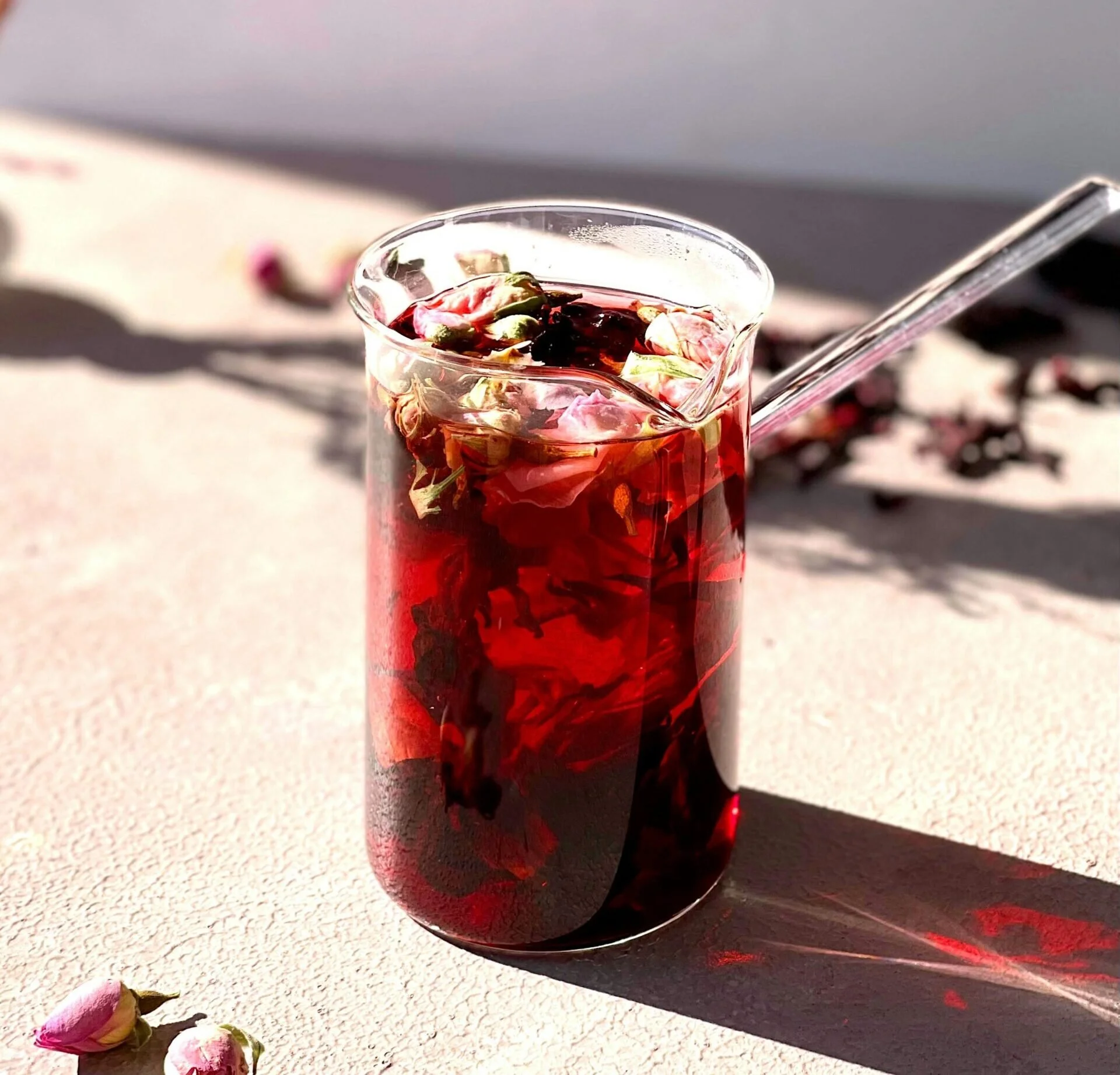
Photo by Rukiye Demir : https://www.pexels.com/photo/a-red-beverage-in-a-clear-glass-with-ice-13042420/[/caption]
Hibiscus tea is not only a refreshing beverage, it has been used as a traditional remedy for many cultures around the world. Traditionally. hibiscus preparation have been used for a variety of health concerns including high blood pressure. Today, researchers are studying whether the colorful plant compounds responsible for hibsiscus’s red color may also contribute to its potential cardiovascular benefits.
Hibiscus is particularly rich in anthocyanins and other polyphenols, including compounds called delphinidin-3-sambubioside and cyanidin-3-sambubioside. Laboratory and animal research suggests these compounds may influence blood pressure in several ways including blood vessel relaxation, influencing angiotensin-converting enzyme (ACE) activity, and potentially increasing the excretion of sodium and water. These mechanisms may help explain some of the blood-pressure-lowering effects observed in human studies.
How to Use: Dried hibiscus petals can be steeped into a tart, refreshing tea that can be enjoyed hot or cold.
Resources
Allemailem KS, Almatroudi A, Alharbi HOA, AlSuhaymi N, Alsugoor MH, Aldakheel FM, Khan AA, Rahmani AH. Apigenin: A Bioflavonoid with a Promising Role in Disease Prevention and Treatment. Biomedicines. 2024 Jun 18;12(6):1353. doi: 10.3390/biomedicines12061353. PMID: 38927560; PMCID: PMC11202028.
Chamomile: Usefulness and safety. (2024). NCCIH. https://www.nccih.nih.gov/health/chamomile?nav=insta%C2%A0&utm
Dai YL, Li Y, Wang Q, Niu FJ, Li KW, Wang YY, Wang J, Zhou CZ, Gao LN. Chamomile: A Review of Its Traditional Uses, Chemical Constituents, Pharmacological Activities and Quality Control Studies. Molecules. 2022 Dec 23;28(1):133. doi: 10.3390/molecules28010133. PMID: 36615326; PMCID: PMC9822300.
Ellis LR, Zulfiqar S, Holmes M, Marshall L, Dye L, Boesch C. A systematic review and meta-analysis of the effects of Hibiscus sabdariffa on blood pressure and cardiometabolic markers. Nutr Rev. 2022 May 9;80(6):1723-1737. doi: 10.1093/nutrit/nuab104. PMID: 34927694; PMCID: PMC9086798.
Ginger: Usefulness and safety. (2025). NCCIH. https://www.nccih.nih.gov/health/ginger
Peng, Y., Ao, M., Dong, B., Jiang, Y., Yu, L., Chen, Z., Hu, C., & Xu, R. (2021). Anti-Inflammatory effects of curcumin in the inflammatory diseases: Status, limitations and countermeasures. Drug Design Development and Therapy, Volume 15, 4503–4525. https://doi.org/10.2147/dddt.s327378https://www.health.harvard.edu/healthy-aging-and-longevity/turmeric-benefits-a-look-at-the-evidence
Hopkins AL, Lamm MG, Funk JL, Ritenbaugh C. Hibiscus sabdariffa L. in the treatment of hypertension and hyperlipidemia: a comprehensive review of animal and human studies. Fitoterapia. 2013 Mar;85:84-94. doi: 10.1016/j.fitote.2013.01.003. Epub 2013 Jan 17. PMID: 23333908; PMCID: PMC3593772.
Khanna R, MacDonald JK, Levesque BG. Peppermint oil for the treatment of irritable bowel syndrome: a systematic review and meta-analysis. J Clin Gastroenterol. 2014 Jul;48(6):505-12. doi: 10.1097/MCG.0b013e3182a88357. PMID: 24100754.
Lopresti AL, Smith SJ, Metse AP, Drummond PD. A randomized, double-blind, placebo-controlled trial investigating the effects of an Ocimum tenuiflorum (Holy Basil) extract (HolixerTM) on stress, mood, and sleep in adults experiencing stress. Front Nutr. 2022 Sep 2;9:965130. doi: 10.3389/fnut.2022.965130. PMID: 36185698; PMCID: PMC9524226.
Peppermint oil: Usefulness and safety. (2025). NCCIH. https://www.nccih.nih.gov/health/peppermint-oil
Ratta, K., Rana, N. M., Rajasekaran, S. R., & Tupas, G. D. (2021). Sweet basil leaves as adjunct therapy for stage 1 and 2 hypertension: a pilot clinical trial. MicroMedicine, 9(1), 1–7. https://doi.org/10.5281/zenodo.4274949
