Can Plants Really Make Us Feel Better? My Journey Back To Myself
From the moment my son was born, anxiety seemed to take over. For weeks, I could barely take my eyes off him. I was so afraid of the what ifs that I barely slept.
On the outside, there was so much to be happy about. I had this perfect little baby whom I had the privilege of spending every day with. I had support around me. I should have been happy. Yet, somehow, I felt empty inside.
I didn’t recognize this version of myself. It was almost like I wasn’t really home within myself. I now know that what I was experiencing was anhedonia, the loss of joy or pleasure in things that once brought you happiness.
I began wondering, where did my happiness go?Why do I get so uncomfortable with physical touch? Why do I not want to do anything fun? Why am I disgusted with myself?. I had not consciously decided to stop doing things for myself, life simply just went from school and work to pregnancy, newborn and caring for everyone else so quickly. Plus I was still in my last year of grad school when I had my son. Somewhere along the way, the things that made me feel like myself disappeared.
The Trip That Reminded Me What Being Present Felt Like
About nine months after having my son, my husband took our little family to Sri Lanka for the first time. I was excited to experience the country he grew up in and finally see a place I’ve heard so much about, but I didn’t expect the trip to change the way I looked at my own life.
One of the first things I noticed was just how green everything was. Tropical plants grew everywhere. There were fruit trees on the side of the road, vegetables and herbs growing in yards, and fresh foods being sold on every corner. People seemed to spend so much time outside, talking, walking, cooking, tending to plants, or just simply existing in the world around them.
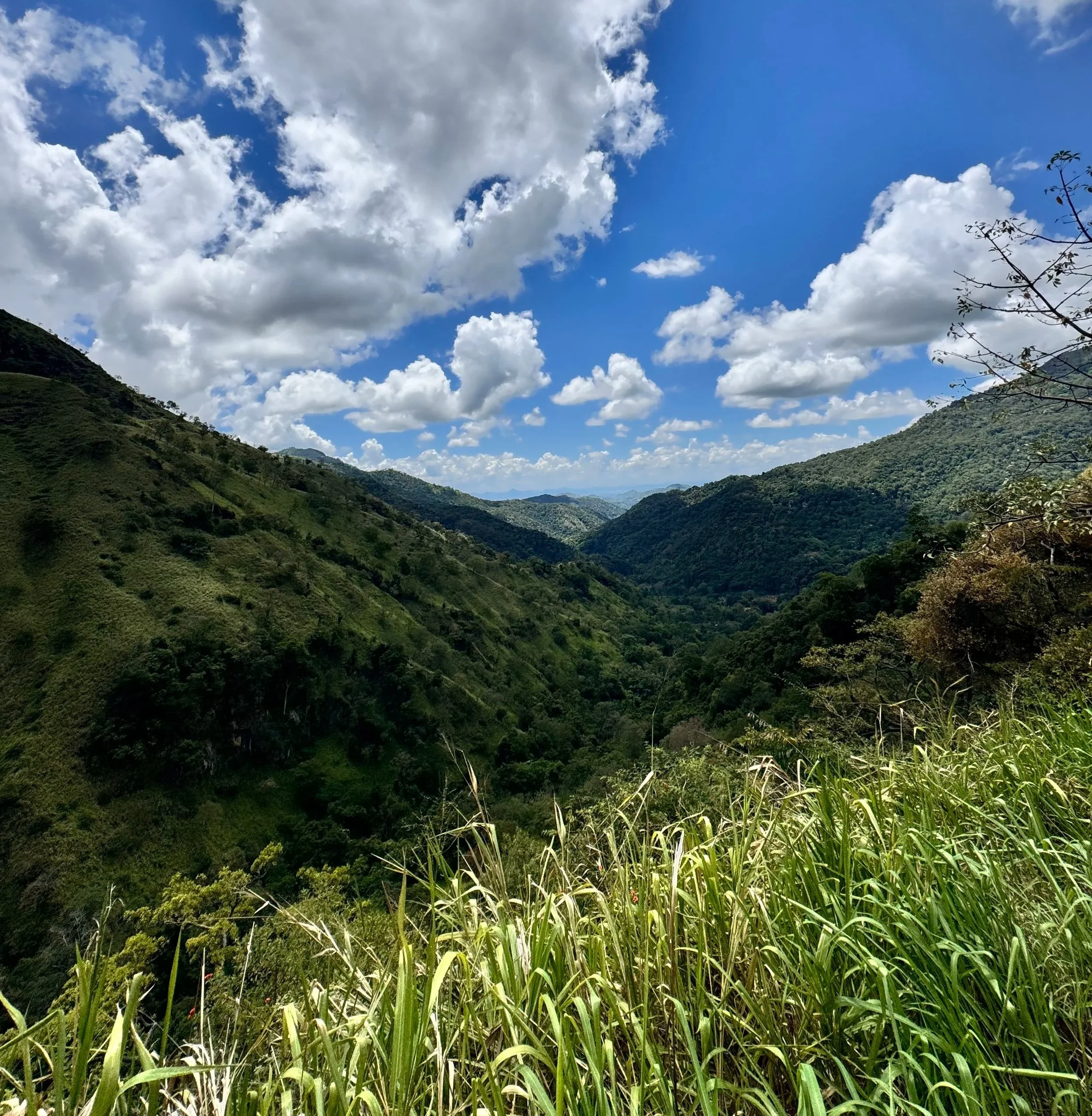
Picture I took in Nuwara Eliya, Sri Lanka
And somewhere in the middle of experiencing all of this, I realized that I was doing something I hadn’t done in a long time… I was present.
I was noticing things again. The plants growing alongside the road. The food we were eating. The heat, the rain, the sounds, and the people around me. Instead of constantly thinking about everything I needed to do next, I found myself actually experiencing what was happening in front of me.
The trip opened my eyes to what happiness felt like again. It didn’t make everything I was struggling with disappear, but it reminded me that there were still things in the world that made me feel curious, excited, and connected.
At the time, I wasn’t thinking about the science behind any of this. I just knew that being surrounded by nature made me feel good. Later, I learned about a concept called biophilia, which gave me a new way to think about why that connection may have felt so meaningful.
Biophilia is the idea that humans have an innate tendency to seek connections with nature and other living things. Researchers have continued to explore this relationship and how exposure to natural environments may influence things like stress, mood, attention, and overall well-being.
I didn’t understand it at the time. I just knew that being surrounded by life made me feel more alive.
And when I came home, I wanted more of that feeling.
So… Can Plants Really Make Us Feel Better?
Once I started filling my home and garden with plants, I began to wonder if there was actually something deeper happening. Was caring for plants really helping me feel better, or had I simply found a hobby that I enjoyed?
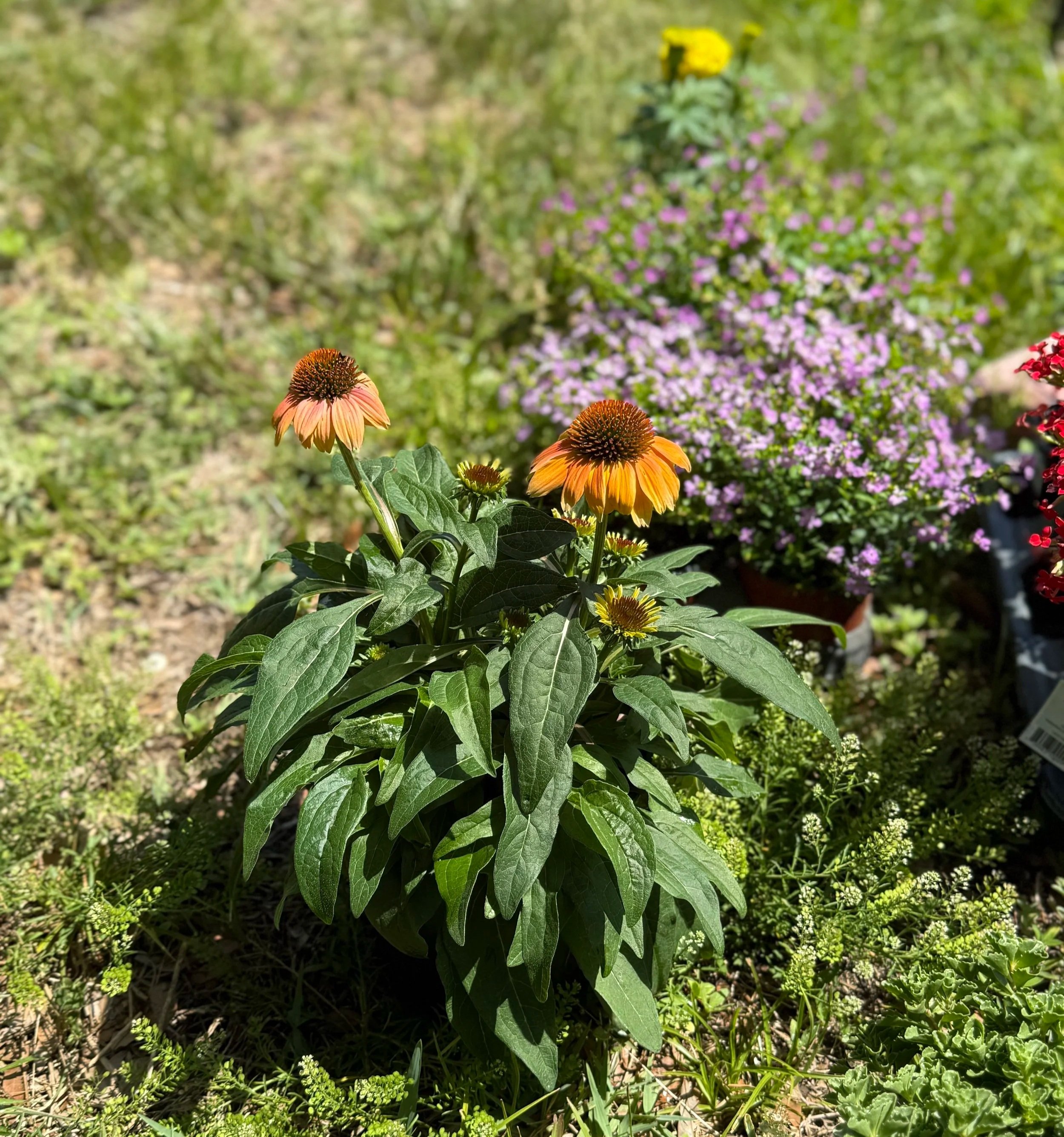
The first few flowers I began growing in my garden.
As it turns out, researchers have been asking the similar questions. There is growing research examining how gardening, interacting with plants, and spending time in green spaces may support our mental well-being. This doesn’t mean buying a houseplant is going to cure depression or that tending a garden can replace mental health treatment. But research does suggest that our interactions with plants and nature may support us in several smaller, and surprisingly meaningful ways.
Caring For Something Gives Us Something To Nurture
There is something satisfying about caring for a living thing and watching it respond.
You water a plant. You check its leaves. You move it closer to light when it’s looking sad. You wait weeks for a cutting to root, and then one morning you notice the tiniest new leaf beginning to unfurl.
These might seem like insignificant moments, but together they give us opportunities to care, observe, learn, and accomplish something. Research on gardening and horticultural activities suggest that part of their psychological value may come from the sense of purpose, accomplishment, and meaningful activity they can provide. Gardening gives us a task with a visible outcome: we do something, and over time, we get to watch something grow.
And unlike so many parts of our lives that demand immediate results, plants require patience.
You can’t force a seed to germinate overnight, or make a new leaf unfurl because you’re ready for it. You can give a plant the condition it needs… water, light, nutrients, time, and then you have to wait.
I think there is something valuable in that.
For me, caring for plants gave me small things to look forward to again. A new leaf wasn’t going to solve all my problems, but it gave me a moment of excitement. Successfully growing a plant from seed gave me a sense of accomplishment. Keeping something alive long enough to watch it flourish reminded me that I was capable of learning, nurturing, and growing too.
And slowly, those little moments started adding up.
Plants Force Us To Practice Something We Are Terrible At: Waiting
We live in a world where we can order something online and have it sitting at our door the next morning. We can send a message across the world in seconds, stream almost anything we want instantly, and google an answer the moment a question pops into our heads.
Plants don’t really care about any of that. You can’t convince any plant to grow when we want or how we want. We have to wait, and while we wait, our plants ask us to pay attention.
We start noticing the smallest changes. A tiny green growth point. A new root pressed against the side of the propagation jar. A leaf slowly beginning to unfurl. Things that might seem insignificant suddenly become exciting because we’ve watched how long it took to get there.
One of the most humbling things about plants is realizing how differently they all grow. One plant wants as much light as you can give it, while another one will burn in the same spot. Some thrive in consistently moist soil while another will rot if it gets too much water. Some will grow a new leaf each week while others may sit there for months doing nothing.
And yet, none of them are necessarily doing it wrong.
They are simply growing under different conditions, at different rates, with different needs. Thriving doesn’t look the same for everything… or everyone.
Plants require care and patience, but they have also taught me about individuality. Sometimes growth is obvious. Sometimes it’s happening somewhere we can’t see yet. And sometimes what looks like a lack of progress simply means something needs different conditions in order to thrive.
Maybe we deserve to give ourselves that same patience.
What Actually Happens When We Interact With Plants?
1.) Our stress response may calm down.
Research suggests that spending time around nature and interacting with plants may help our bodies recover from stress. When we are stressed, our bodies activate systems designed to help us respond to a challenge. That’s useful when we need it, but constantly feeling overwhelmed or on edge can leave us feeling mentally and physically exhausted. Studies examining exposure to natural environments have found changes in both perceived stress and physiological measures of stress, including heart rate, blood pressure, and cortisol. While results vary between studies, overall research suggests that contact with nature may help support the body’s transition into a more relaxed state.
Researchers have explored everything from walking through green spaces to gardening and interacting with indoor plants. In one small study, participants who spent time repotting a houseplant had lower physiological stress response and reported feeling more comfortable and relaxed than when they completed a computer-based task.
No, this doesn’t mean that watering a houseplant is a treatment for chronic stress, anxiety, or depression. But it does suggest that these small interactions with living things may give our minds and bodies brief opportunities to slow down, recover, and reset.
2.) Our brains get a different kind of break.
Think about how much of the day requires us to intentionally focus. Focused attention requires mental effort, and after using it for long periods of time, we can begin to feel mentally drained. One theory for why nature can feel so restorative is called the Attention Restoration Theory. It suggests that natural environments engage our attention differently than many of the tasks we encounter in everyday life. Instead of demanding that we concentrate, nature often captures our attention gently, a concept researchers call soft fascination.
Think about watching leaves move in the wind, noticing the shape of a flower, listening to rain, or watching a butterfly move through the garden. We’re paying attention, but we aren’t necessarily trying to pay attention. Because these experiences can hold our interest without demanding intense concentration, the theory proposes that our more effortful attention gets an opportunity to rest and recover. This is kind of what we mean when we say that being outside helps us “clear our heads”.
3.) We may simply feel better.
Researchers study this through something called positive and negative effect, essentially, the pleasant and unpleasant emotions we’re experiencing at a given time. Research comparing natural environments has found that exposure to nature may increase positive feelings while reducing negative ones. Studies of gardening and other nature-based activities have also reported improvements in mood, anxiety, depressive symptoms, and overall well-being.
But maybe feeling better doesn’t always have to come from one big thing. It can be made up of small moments, a quieter mind, something beautiful catching our attention, a little less stress, or simply feeling connected to the living world around us.
And sometimes, those little moments matter.
Finding Our Way Back
Plants didn’t cure my mental health and they didn’t magically give me my old life back. But they became one small part of finding myself again. They gave me something to care for, something to look forward to, and a reason to slow down and notice the world around me. And somewhere along the way, my relationship with nature changed too.
We talk about nature like it’s somewhere we have to go. But we are a part of nature too. We live in it, depend on it, and are surrounded by living systems every day. Yet, with so much of our lives happening indoors, behind screens, and moving from one responsibility to the next, it’s surprisingly easy to miss how much of it is happening right in front of us.
I recently came across an idea from plant coach and urban gardener Nick Cutsumpas that he calls the “Four E’s of Environmentalism”. He describes a simple progression:
Experience > Excitement > Empathy > Effort
Experiencing nature can lead us to become excited about it. That excitement can grow into empathy for the natural world, and that empathy may eventually inspire us to make an effort to protect it.
The more I started paying attention to plants, the more curious I became about the world around me. I started noticing things I probably would have walked right past before, wild plants along the road, a new flower opening, the humming bird visiting my garden, or the way everything seems to come alive after it rains.
Give yourself opportunities to experience nature instead of simply moving past it. You may be surprised by what you begin to notice.
Maybe like me, you’ll discover that while you’re learning how to take care of something living, you’re also learning how to slow down, reconnect, and care a little more deeply for the world you’re already a part of.
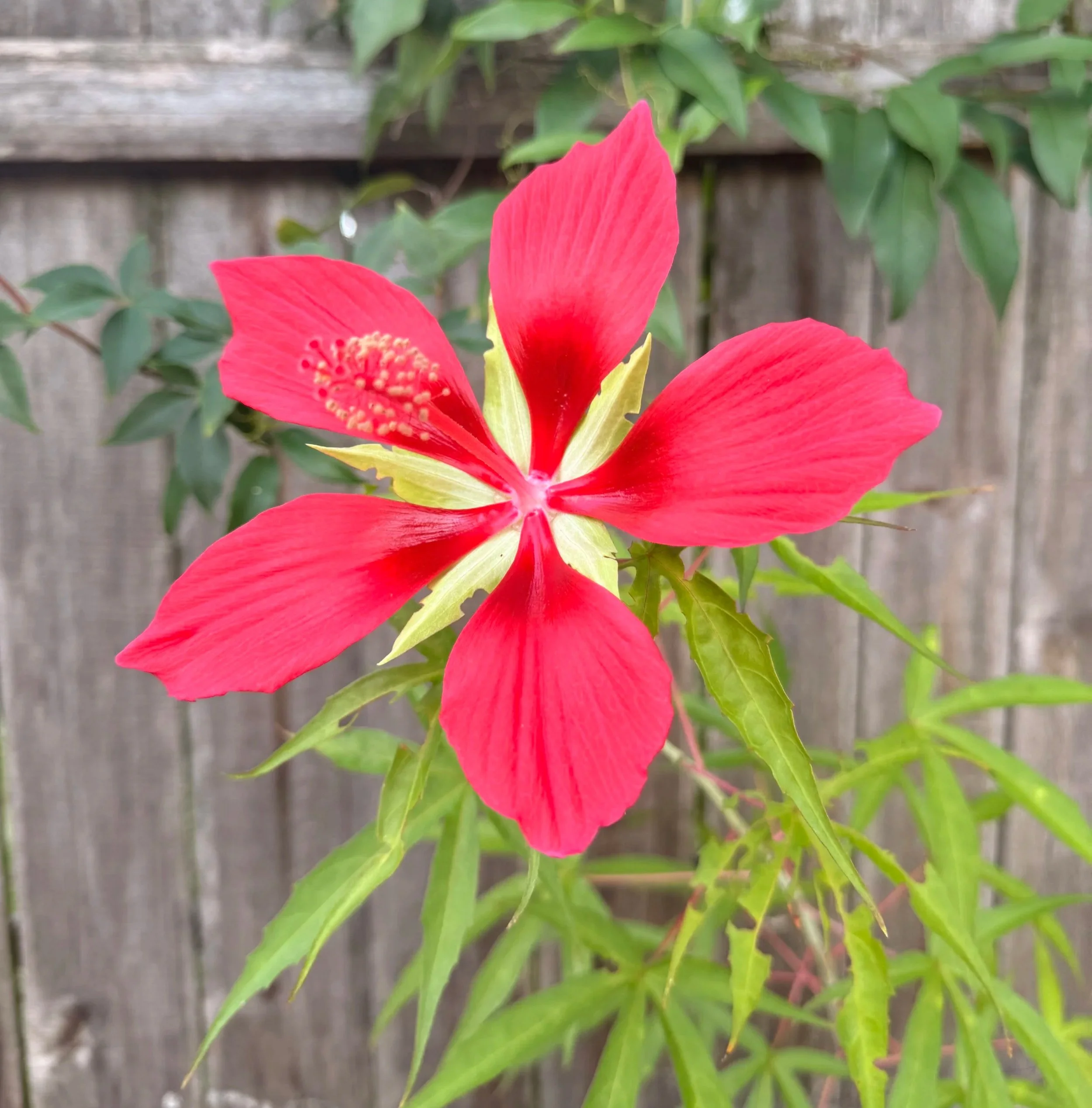
My Hibiscus Coccineus. The bloomed flower only lasts for one day before it withers and dies.
Resources
Azad S, Marselle M. Thriving Through Stressful Life Events with Nature: A Mixed-Method Study on Tending Indoor Plants and Rumination Resilience. Int J Environ Res Public Health. 2025 Mar 3;22(3):369. doi: 10.3390/ijerph22030369. PMID: 40238396; PMCID: PMC11942186.
Cutsumpas, N. (2023, July 23). The secret relationship between plants and people [Video]. YouTube. https://www.youtube.com/watch?v=4AgsttQq-Mw
Holbrook, E. M., Zambrano, C. A., Wright, C. T. O., Dubé, E. M., Stewart, J. R., Sanders, W. J., Frank, M. G., MacDonald, A. S., Reber, S. O., & Lowry, C. A. (2023). Mycobacterium vaccae NCTC 11659, a Soil-Derived Bacterium with Stress Resilience Properties, Modulates the Proinflammatory Effects of LPS in Macrophages. International Journal of Molecular Sciences, 24(6), 5176. https://doi.org/10.3390/ijms24065176
